Unskilled Jobs in Canada with Visa Sponsorship 2026 – Complete Guide for Foreign Workers


Canada continues to face a persistent labor shortage across multiple essential industries in 2026. While the country is known for its strong economy and skilled workforce, many entry-level and physically demanding roles remain unfilled due to a lack of local workers.
To address this gap, Canadian employers are actively hiring foreign workers for unskilled and semi-skilled positions. Through programs like the Temporary Foreign Worker Program (TFWP) and Provincial Nominee Programs (PNPs), international applicants now have more opportunities than ever to secure legal employment in Canada with visa sponsorship support.
For job seekers looking to start their journey abroad without advanced education or technical qualifications, unskilled jobs in Canada offer a practical and reliable pathway.
Why Canada Needs Unskilled Workers
Canada’s labor market is heavily influenced by demographic changes and workforce preferences. Many Canadians pursue higher education and specialized careers, leaving shortages in essential service sectors.
As a result, industries such as agriculture, hospitality, transportation, and manufacturing rely on foreign workers to maintain daily operations. Employers are increasingly open to sponsoring international candidates to fill urgent job vacancies.
Key sectors facing shortages include:
- Agriculture and farming
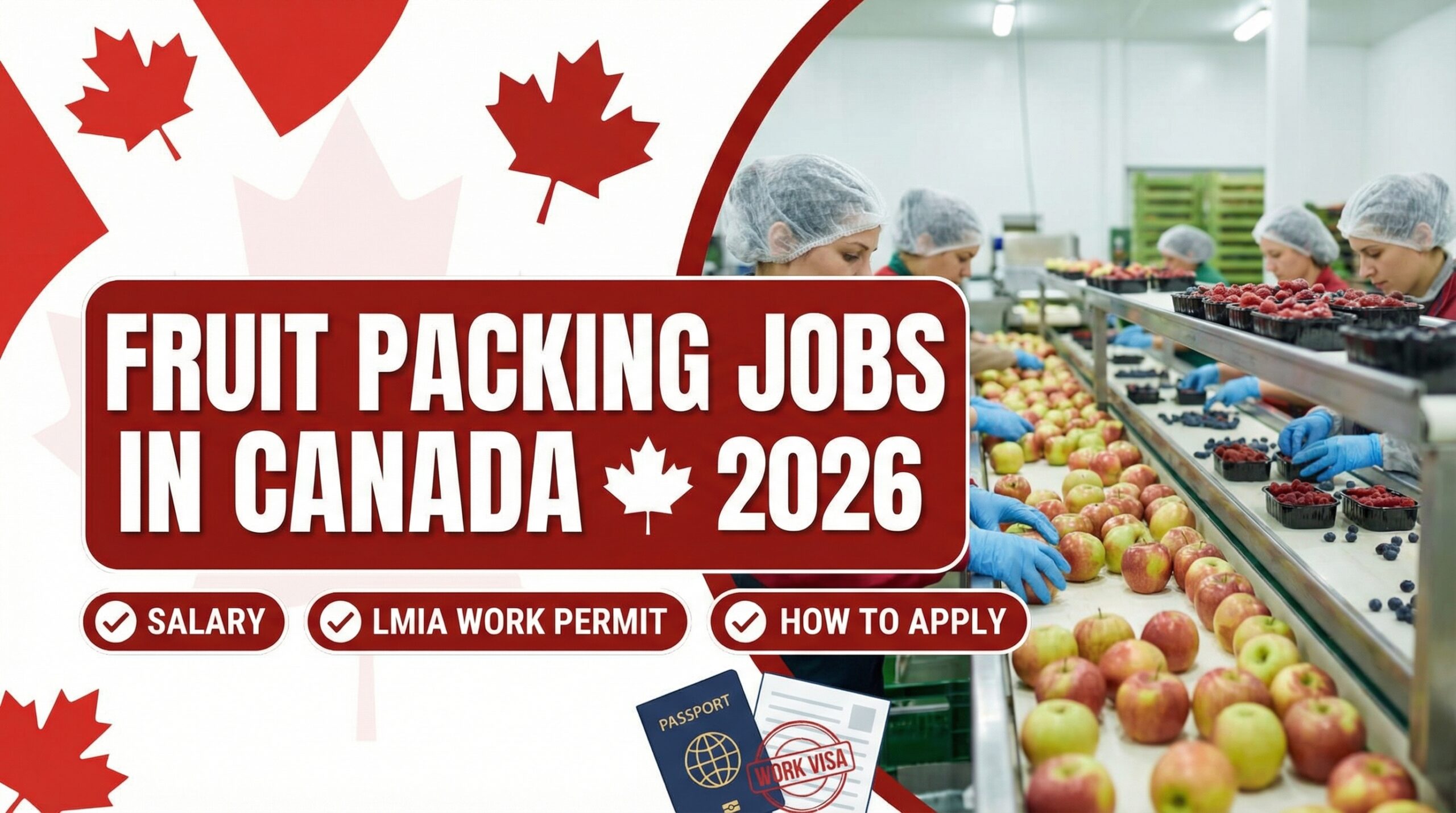
- Food processing and packaging
- Cleaning and housekeeping services
- Logistics and transportation
- Construction and general labor
- Hospitality and restaurant services
Popular Unskilled Jobs in Canada 2026
Foreign workers can find opportunities in a wide range of entry-level positions across different industries:
- Farm workers and crop harvesters
- Truck and delivery drivers
- Cleaners and housekeepers
- Factory and warehouse workers
- Kitchen helpers and restaurant staff
- Caregiver assistants and support workers
- Receptionists and cashiers
- Construction laborers
- Bakery and production line workers
These roles generally do not require advanced education, making them accessible to a large number of international applicants.
Eligibility Criteria
Although unskilled jobs are easier to access, applicants must still meet basic requirements to qualify for employment in Canada.
- Age typically between 21–39 years (varies by employer)
- Valid passport and travel documents
- Basic English communication skills (French is an advantage in Quebec)
- Physically fit for manual or shift-based work
- Clean criminal record
- Basic education preferred but not always required
- Willingness to work in demanding environments
- Ability to follow workplace instructions and safety rules
Benefits of Visa-Sponsored Jobs in Canada
Many Canadian employers offering visa sponsorship provide additional support to foreign workers, especially for essential labor positions.
- Employer-supported work permit (LMIA-based jobs)
- Free or subsidized accommodation in some cases
- Medical insurance coverage (temporary or employer-based)
- Paid overtime and shift allowances
- Travel assistance or flight reimbursement (select employers)
- Access to workers’ protection programs
- Pathway to permanent residency through provincial programs
- Job security in high-demand sectors
Average Salary for Unskilled Jobs in Canada 2026
Wages vary depending on province, industry, and experience level. However, entry-level positions still offer competitive income compared to many countries.
- Farm workers: CAD $15 – $18 per hour
- Cleaners and housekeepers: CAD $16 – $20 per hour
- Factory and warehouse workers: CAD $17 – $22 per hour
- Care support assistants: CAD $18 – $25 per hour
- Truck and delivery drivers: CAD $25 – $32 per hour
Overtime work and night shifts can significantly increase total monthly income.
Visa Pathways for Unskilled Workers
Foreign workers can enter Canada through several legal immigration and work programs:
Temporary Foreign Worker Program (TFWP)
Used for filling short-term labor shortages in agriculture, hospitality, and manufacturing.
Provincial Nominee Program (PNP)
Allows provinces to nominate foreign workers for long-term residence based on labor demand.
Seasonal Agricultural Worker Program (SAWP)
Designed for farm workers employed during seasonal harvest periods.
These programs are the main entry routes for unskilled foreign workers in Canada.
How to Apply for Unskilled Jobs in Canada 2026
The application process is straightforward but requires careful attention to official channels.
Step 1: Search for Jobs
Use trusted platforms such as Job Bank Canada, Indeed, LinkedIn, and company career pages.
Step 2: Prepare Your CV
Create a simple, clear resume highlighting any work experience, even if informal or small-scale.
Step 3: Apply Online
Submit applications directly to employers offering visa sponsorship opportunities.
Step 4: Interview Process
Shortlisted candidates may be interviewed online or assessed for suitability.
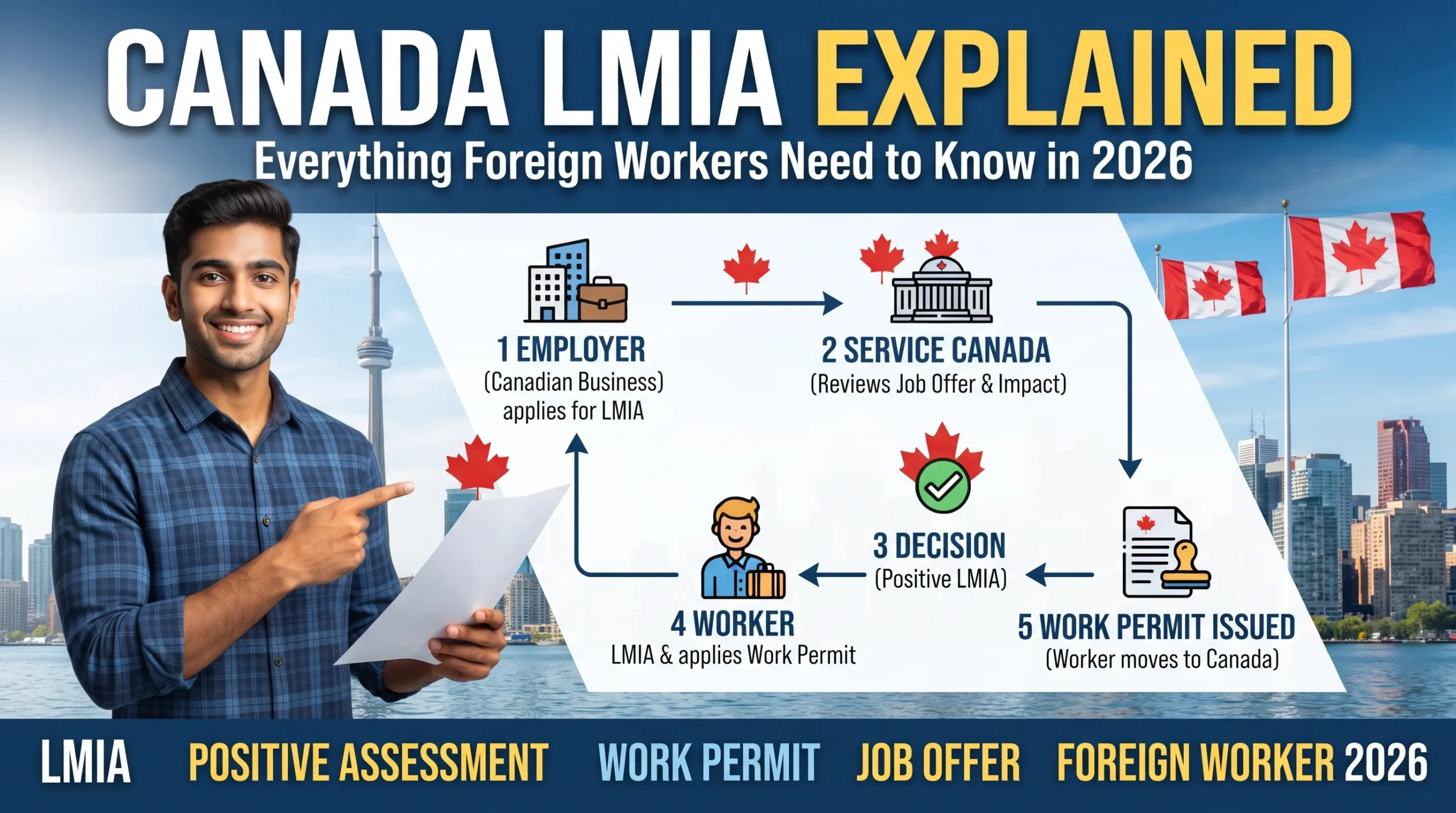
Step 5: LMIA Approval
If selected, the employer applies for a Labour Market Impact Assessment (LMIA).
Step 6: Work Permit Application
After LMIA approval, applicants submit their Canadian work visa application.
Step 7: Travel and Employment
Once approved, workers travel to Canada and begin employment.
Where to Find Jobs
Reliable job search platforms include:
- Job Bank Canada (official government portal)
- Indeed Canada
- LinkedIn Canada
- Glassdoor
- Recruitment agencies specializing in foreign labor
Conclusion
Unskilled jobs in Canada with visa sponsorship in 2026 offer a practical and realistic opportunity for foreign workers seeking stable employment abroad. With strong demand across agriculture, hospitality, logistics, and manufacturing, Canada continues to open doors for international applicants willing to work in essential roles.
For many job seekers, these positions are not just employment opportunities but also potential pathways to long-term residency and a better future in one of the world’s most developed countries.