
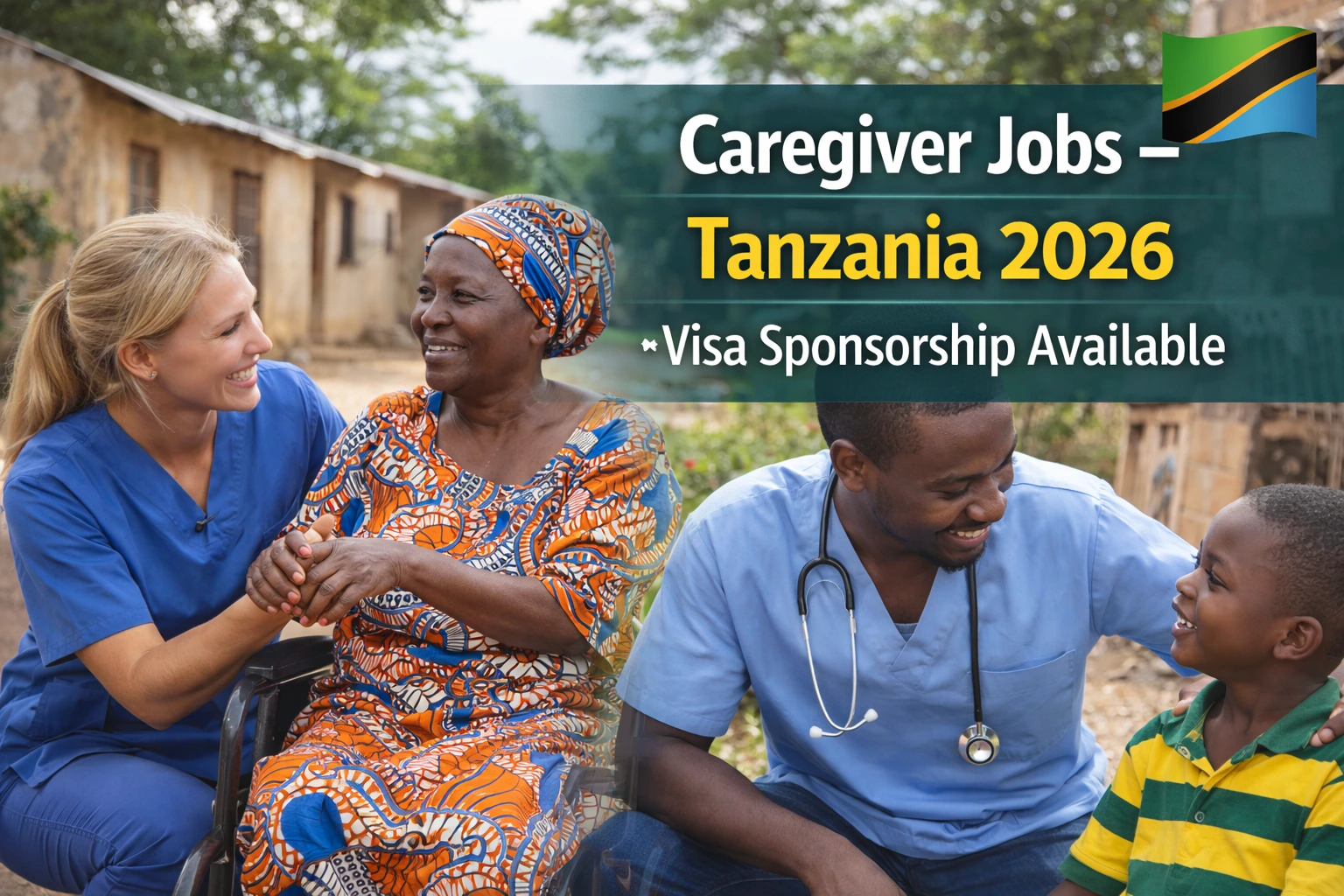
Tanzania, while still developing economically, has become one of Africa’s fastest-growing countries in recent years. In 2026, its healthcare and social support systems continue to expand with strong international backing, creating valuable job opportunities for foreign caregivers.
With long-term collaboration between Tanzania and international partners such as USA-based development and healthcare programs, the demand for caregivers, support workers, nannies, and healthcare assistants has increased significantly. These roles offer visa sponsorship, international experience, and strong career value, especially for those planning a future in healthcare or social services.
Why Caregiver Jobs Are Growing in Tanzania
Tanzania’s healthcare sector is undergoing rapid modernization. While urban areas such as Dar es Salaam and Zanzibar have better access to medical services, rural regions remain underserved and urgently need trained caregivers and healthcare workers.
Internationally funded healthcare programs operating in Tanzania focus on improving maternal health, child welfare, disease prevention, and community healthcare delivery. As a result, caregivers and support workers are in high demand across hospitals, community centers, NGOs, and private households.
Working in Tanzania may not be a long-term financial goal for everyone, but experience gained through internationally supported programs is highly respected worldwide and adds significant strength to any CV.
Visa and Immigration Requirements for Caregiver Jobs in Tanzania
Foreign workers must obtain a valid Tanzanian work permit before starting employment. Tanzania issues three main types of work permits:
Class A permits are for foreign investors and business owners and are not suitable for caregivers.
Class B permits are issued to foreign professionals hired for skilled roles, including healthcare workers, caregivers, nurses, and medical staff. This is the most common permit for paid caregiver employment.
Class C permits are used for volunteers, interns, missionaries, and individuals working on government or NGO-supported projects.
Most paid caregiver roles require a Class B work permit, which is usually arranged with employer support after a job offer.
Education and Experience Requirements for Caregiver Jobs
To qualify for caregiver roles in Tanzania, candidates are generally expected to hold a relevant healthcare qualification. This may include a nursing degree, diploma in caregiving, social work certification, childcare training, or similar credentials.
Experience is not mandatory for junior caregiver roles but is strongly preferred. Senior positions, special-needs caregiving, and VIP household roles usually require prior experience.
English proficiency is essential, as many programs involve international staff. Basic knowledge of local languages is helpful for daily interaction with local communities.
Applicants should be patient, adaptable, emotionally resilient, and genuinely compassionate.
Benefits of Caregiver Jobs in Tanzania With Visa Sponsorship
Caregiver jobs supported by international healthcare programs often come with strong benefits.
Many positions are paid in foreign currency, making living costs in Tanzania extremely affordable. Accommodation is often provided or heavily subsidized, especially in cities popular with expatriates such as Dar es Salaam.
Living costs are low, allowing workers to enjoy comfortable housing, local cuisine, transport, and leisure activities. More importantly, experience gained through international healthcare programs significantly enhances global employability.
Tanzania also offers numerous volunteer and semi-professional healthcare programs, some affiliated with global organizations, providing further career exposure.
Salary Expectations for Caregivers in Tanzania
Local caregiver salaries in Tanzania are modest when paid in local currency. However, caregivers working under internationally funded programs typically earn much higher compensation.
Entry-level caregivers may earn around $15 per hour, with pay increasing based on experience and responsibility. Annual local salaries can range widely, but international programs usually offer better packages, allowances, and benefits.
Types of Caregiver Jobs Available
Foreign caregivers in Tanzania may work in roles such as:
Community healthcare caregivers
Support workers in healthcare programs
Childcare and special-needs caregivers
Nannies and au pairs for expatriate families
Senior and VIP household caregivers
Jobs are available in both urban centers and rural communities.
How to Apply for Caregiver Jobs in Tanzania With Visa Sponsorship (2026)
Begin by preparing a professional CV highlighting healthcare qualifications, caregiving experience, and language skills. Emphasize adaptability and willingness to work in developing healthcare environments.
Search for caregiver opportunities with international healthcare programs, NGOs, and private employers operating in Tanzania. Carefully review visa sponsorship details before applying.
Once selected, employers typically guide candidates through work permit applications, medical checks, and relocation procedures.
Final Thoughts
Caregiver jobs in Tanzania with visa sponsorship in 2026 offer an exceptional experience-building opportunity for individuals passionate about healthcare and social service. While Tanzania may not be a long-term destination for everyone, the skills, exposure, and credibility gained through international healthcare programs can open doors worldwide.
If you want meaningful work, global experience, and a strong foundation for a future healthcare career, Tanzania is a powerful stepping stone.